-

Regional Compliance Traps in Rent-to-Own Deals
Rent-to-own agreements have become a common path for families and individuals who want to move toward homeownership but are not yet ready to qualify for a traditional mortgage. These contracts combine elements of renting and buying, offering tenants the chance to live in a property while preparing for eventual purchase. While the concept sounds appealing,
-

Legal Risks in Rent-to-Own Agreements and How to Avoid Them
Rent-to-own agreements have become a popular option for families and individuals who want to move toward homeownership but are not yet ready to qualify for a traditional mortgage. These contracts combine elements of renting and buying, offering tenants the chance to live in a property while working toward eventual purchase. While the concept sounds appealing,
-
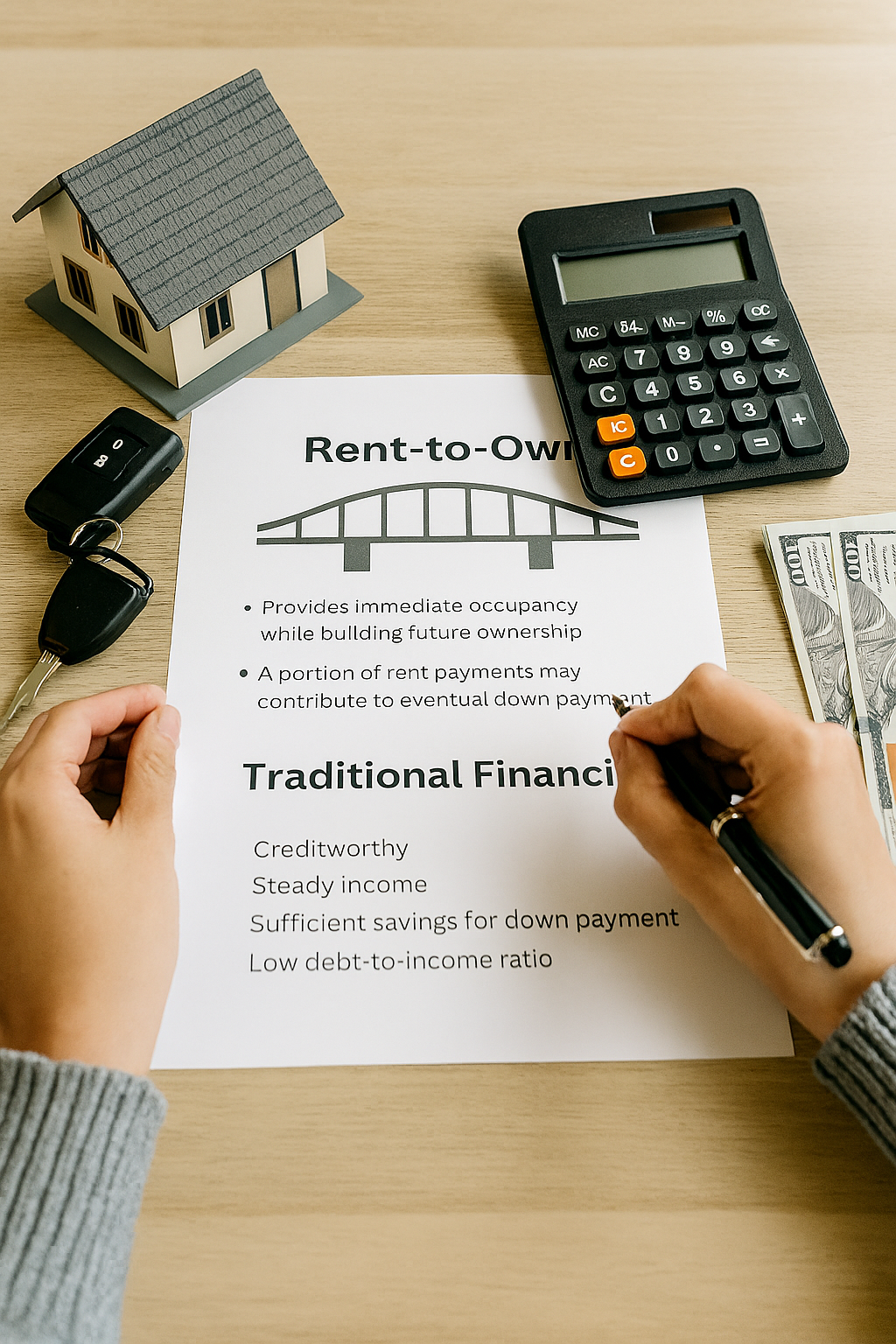
Rent-to-Own as a Bridge to Traditional Financing
Rent-to-own agreements have become a talking point for families and individuals who want to own property but struggle to qualify for a traditional mortgage. Rising home prices, stricter lending standards, and the challenge of saving for a down payment have made ownership harder for many. Rent-to-own offers a middle path. It allows tenants to live
-

How to Evaluate Your Financial Readiness for Ownership
Owning a home or business property is a major milestone. It signals stability, long-term planning, and often a sense of pride. Yet before signing papers or committing to payments, it is wise to step back and ask: am I financially ready for ownership? This question may sound simple, but the answer requires careful thought across
-

Rent-to-Own for First-Time Buyers: What You Should Know
Buying your first home can feel out of reach. Between saving for a down payment and qualifying for a mortgage, many people hit roadblocks early. Rent-to-own offers a possible workaround. It gives you time to prepare while living in the home you may eventually buy. But this setup is not simple. You need to know
-

How to Use Rent-to-Own as a Credit Recovery Strategy
Credit challenges can make homeownership feel out of reach. Rent-to-own programs may offer a practical path forward. They allow buyers to live in a home while working toward ownership, giving time to rebuild financial standing. This approach can be especially useful for those aiming to recover from past credit issues. What Rent-to-Own Means Rent-to-own combines
-

Rent-to-Own for Relocating Families: Pros and Cons
Relocating families often face a tough decision when moving to a new city. Buying a home right away may feel risky, while renting can seem temporary and uncertain. Rent-to-own agreements offer a middle ground. They allow families to live in a home as tenants while working toward eventual ownership. This option has clear benefits, but
-

Strategic Fit: Who Should Consider Rent-to-Own
Rent-to-own housing has gained attention as an option for people who want to buy but are not yet ready to commit. It blends renting with the chance to purchase later, giving tenants time to prepare financially while living in the home they may eventually own. This approach is not for everyone, but it can be
-
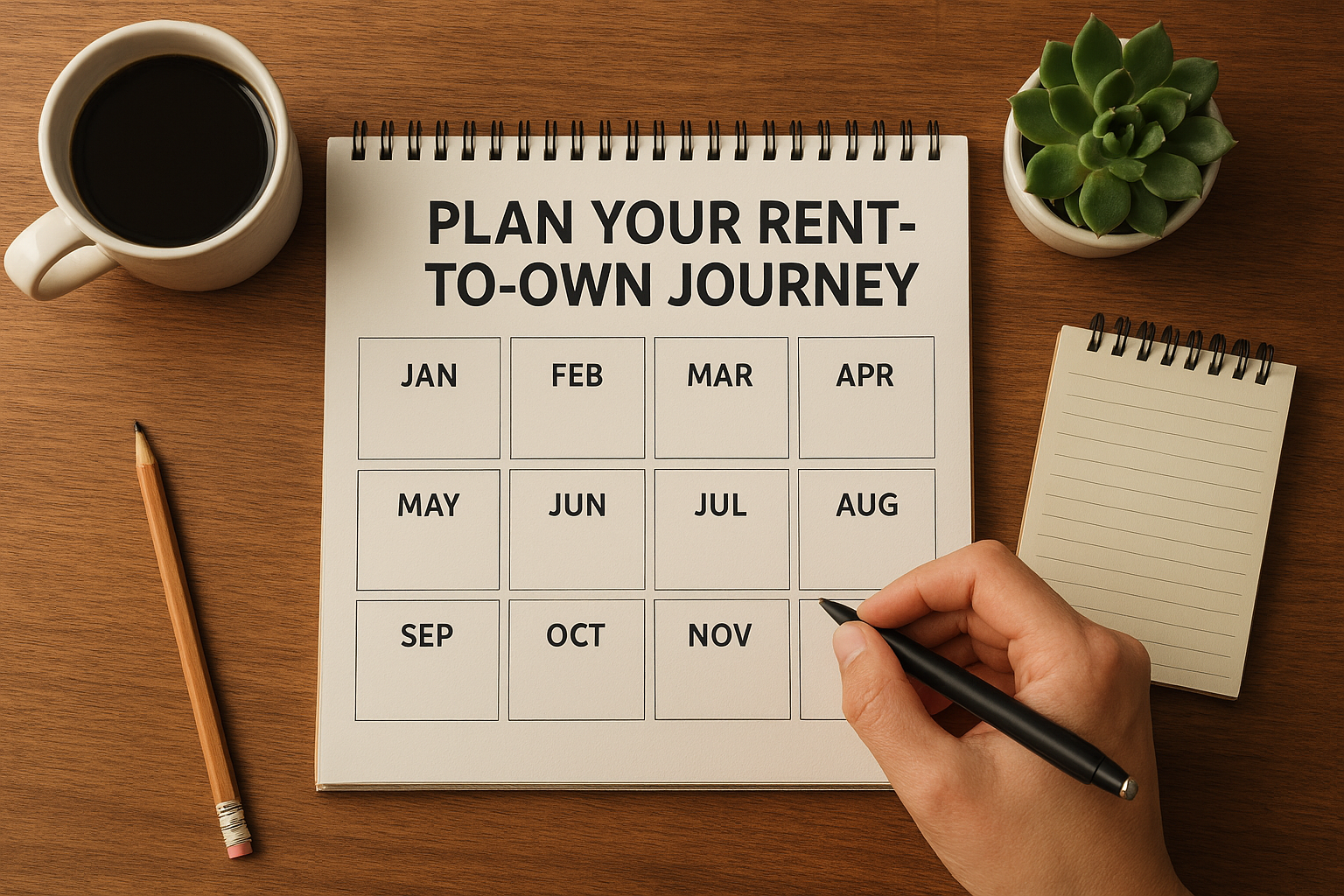
How to Plan Your Rent-to-Own Journey in 12 Months
Rent-to-own agreements give people a path to homeownership while they still rent. A clear 12‑month plan helps keep progress steady and prevents delays. The steps below outline how to move from renter to owner in one year. Month 1–2: Learn the Agreement Start by reading the contract carefully. Look at how rent payments apply to
-
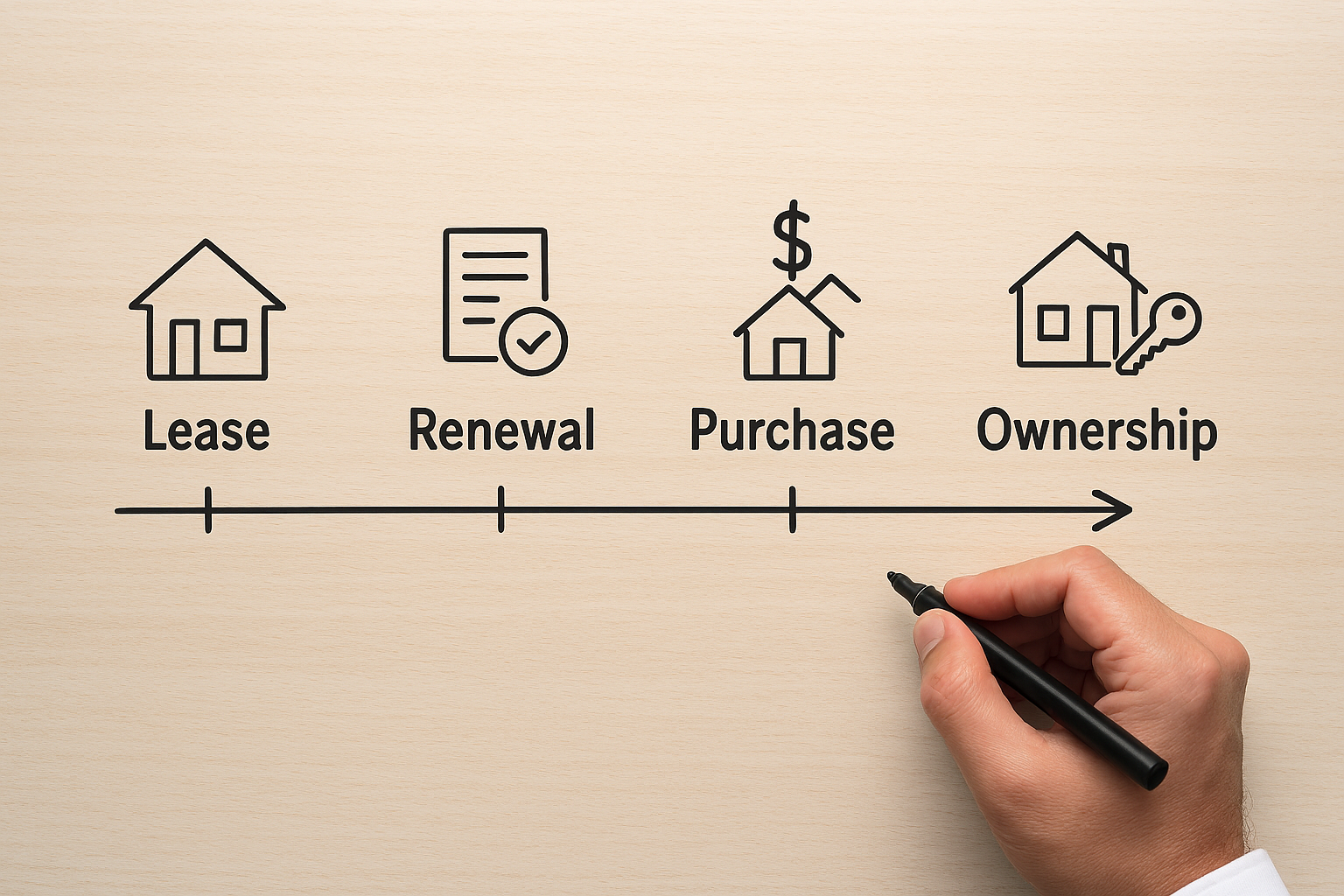
Timeline Mapping: From Lease to Ownership
Moving from renting to owning a home is a major step. It is not only about signing papers but also about planning each stage carefully. A clear timeline helps renters understand what to expect and how to prepare for ownership. Starting with the Lease Most journeys begin with a lease. Renters often choose a lease