
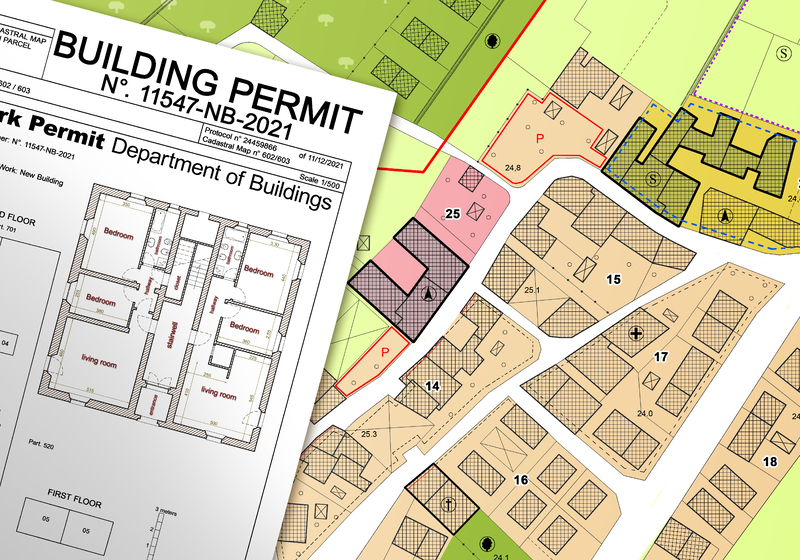
Rent-to-own agreements have become a popular option for families and individuals who want to move toward homeownership but are not yet ready to qualify for a traditional mortgage. These contracts combine renting with the option to buy, offering flexibility and opportunity. Yet one factor often overlooked is how local zoning laws affect rent-to-own deals. Buyers who ignore zoning rules risk facing restrictions, unexpected costs, or even invalid contracts. Understanding zoning laws is essential before committing to this path.
Why Zoning Laws Matter
Zoning laws regulate how land and property can be used. They determine whether a property is residential, commercial, or mixed-use. They also set rules for renovations, expansions, and even occupancy limits.
For rent-to-own buyers, zoning laws matter because they shape what you can do with the property once you own it. A home located in a residential zone may restrict business use. A property in a mixed-use zone may allow more flexibility but carry additional requirements.
Ignoring zoning laws can lead to fines, legal disputes, or limits on property use. Buyers must confirm that the property aligns with their long-term goals.
Common Zoning Issues in Rent-to-Own Deals
Several zoning issues often arise in rent-to-own agreements:
- Property use restrictions: Buyers may discover they cannot run a business from home or add rental units.
- Renovation limits: Zoning laws may restrict expansions, additions, or structural changes.
- Occupancy rules: Some areas limit how many people can live in a property.
- Environmental regulations: Properties near wetlands or protected areas may face strict rules.
- Historic district rules: Homes in historic zones may require special approval for renovations.
These issues can complicate ownership plans. Buyers should investigate zoning before signing a contract.
How Zoning Affects Financing
Lenders consider zoning when approving mortgages. A property that does not comply with zoning rules may be harder to finance. For example, a home classified as commercial may not qualify for standard residential loans.
Rent-to-own buyers must ensure the property’s zoning supports future financing. Consulting with a mortgage advisor early helps confirm that the property will meet lender requirements.
Steps to Verify Zoning Compliance
Before entering a rent-to-own agreement, buyers should take several steps:
- Check public records: Local government offices maintain zoning maps and classifications.
- Request zoning certificates: These documents confirm the property’s legal use.
- Consult local officials: Planning departments can explain restrictions and future changes.
- Review neighborhood plans: Some areas have long-term development plans that may affect property use.
- Hire professionals: Attorneys and real estate agents familiar with local zoning provide valuable guidance.
These steps ensure that the property complies with zoning laws and supports long-term goals.
The Role of Sellers
Legitimate sellers should disclose zoning information in rent-to-own contracts. They must confirm that the property complies with local rules and explain any restrictions. Buyers should insist on written disclosure.
If sellers resist providing zoning details, that is a red flag. Transparency is essential for a fair agreement.
Negotiating Terms with Zoning in Mind
Zoning laws influence how rent-to-own contracts are structured. Buyers should consider zoning when discussing responsibilities, purchase price, and timelines. For example, if renovations are restricted, buyers may negotiate lower payments or option fees.
One key step is negotiating rent-to-own terms with zoning compliance in mind. Contracts should reflect zoning realities, ensuring that both parties understand limitations and obligations.
Regional Differences
Zoning laws vary widely across states and cities. Some regions enforce strict rules, while others allow flexibility. Buyers must research local regulations rather than assuming uniform standards.
For example, urban areas may restrict home-based businesses, while rural zones may allow them. Historic districts may require approval for even minor changes, while newer developments may have fewer restrictions.
Understanding these differences prevents surprises and ensures compliance.
Documentation and Recordkeeping
Buyers should keep thorough records of zoning research. This includes zoning certificates, public records, and communications with local officials. Documentation provides evidence if disputes arise and strengthens the enforceability of the contract.
Organized records also help when applying for financing. Lenders may request proof of zoning compliance before approving loans.
Dispute Resolution
Zoning disputes can occur even after careful research. Neighbors may challenge property use, or local governments may change zoning classifications. Rent-to-own contracts should include dispute resolution mechanisms, such as mediation or arbitration.
Defining these procedures in advance reduces uncertainty and provides a path to fair outcomes.
Rent-to-own agreements offer opportunity, but zoning laws shape what buyers can do with their property. Ignoring zoning rules can lead to restrictions, disputes, or financing challenges. Buyers must verify compliance, insist on disclosure, and negotiate terms with zoning in mind.
By researching local regulations, consulting professionals, and keeping thorough documentation, buyers protect their investment and strengthen their path to ownership. Rent-to-own deals can succeed when zoning laws are respected and integrated into the agreement.


Leave a Reply