
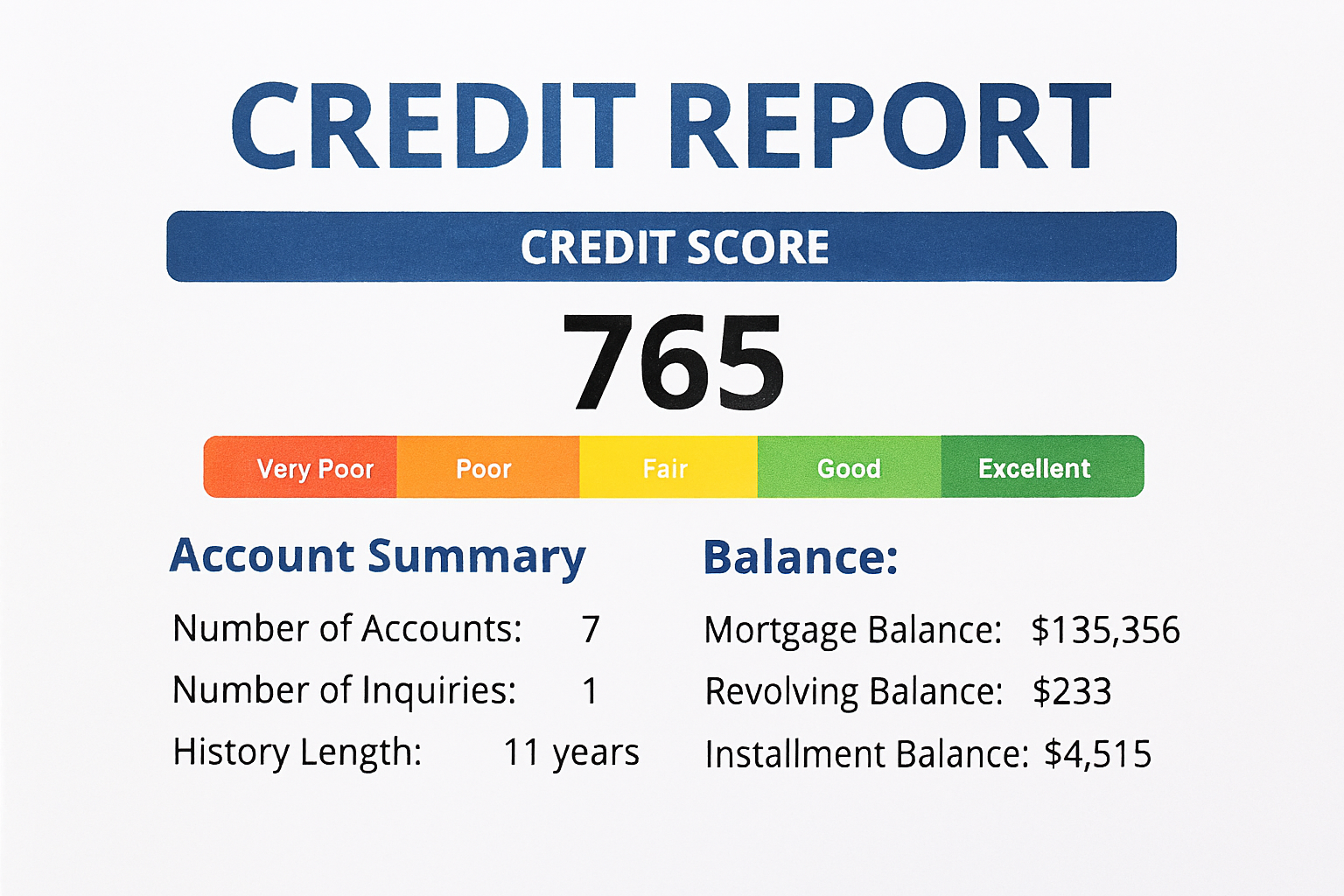
Rent-to-own agreements offer a flexible path to homeownership, especially for buyers who need time to improve their credit. These deals let you rent a home now and buy it later, often with a portion of your rent going toward the purchase. But while credit checks may be relaxed at the start, your credit score still matters when it is time to get a mortgage.
Here is what rent-to-own buyers need to know about credit score requirements, how to prepare, and what to expect when applying for a loan.
Do You Need Good Credit to Start a Rent-to-Own Agreement?
In most cases, no. Rent-to-own sellers are not lenders. They may check your credit, but they are usually more flexible than banks. Some sellers accept buyers with scores below 600, especially if you have steady income and a strong rental history.
Still, a low score may affect your contract terms. You might pay a higher option fee, face stricter rules, or get fewer rent credits. Some sellers may also require financial counseling or proof that you are working to improve your credit.
Why Credit Still Matters
Even if the seller does not require a high score, you will need one later. Rent-to-own agreements include a deadline to buy the home, usually within one to three years. When that time comes, you must qualify for a mortgage.
Most lenders require:
- A credit score of at least 620 for conventional loans
- A score of 580 or higher for FHA loans
- A clean payment history with no recent bankruptcies or foreclosures
- Proof of income and stable employment
If your score is too low, you may not qualify. That means you could lose your option fee, rent credits, and the home.
How to Improve Your Credit Score During the Lease Period
The lease period gives you time to build your credit. Use it wisely. Here are steps that help:
- Pay all bills on time Payment history makes up 35% of your credit score. Set reminders or use auto-pay to avoid late payments.
- Lower your credit card balances Keep your credit usage below 30% of your limit. Pay down high balances first.
- Avoid new debt Do not open new credit cards or take out loans unless necessary. New accounts can lower your score.
- Check your credit reports Get free reports from AnnualCreditReport.com. . Dispute any errors you find.
- Work with a credit counselor Some rent-to-own programs include credit coaching. Take advantage of it if offered.
What Lenders Look for When You Apply
When it is time to buy, lenders will review:
- Your credit score and history
- Your income and job stability
- Your debt-to-income ratio
- Your savings and assets
- The home’s value and condition
They will also ask for documents like tax returns, pay stubs, and bank statements. Be ready to show that you can afford the loan.
The Role of Rent Credits and Option Fees
Rent credits and option fees can help with your purchase, but they do not replace the need for a loan. Lenders may count rent credits toward your down payment, but only if they are clearly documented.
Make sure your contract explains:
- How much of your rent goes toward the purchase
- Whether the option fee is refundable
- What happens if you do not buy the home
Keep records of all payments. Ask the seller for a written statement showing your total credits earned.
Do Not Forget About Saving for Down Payment
Even with rent credits, you may still need cash at closing. That is why saving for down payment is just as important as improving your credit. Most loans require:
- 3.5% down for FHA loans
- 5% or more for conventional loans
- Extra funds for closing costs, inspections, and moving
Start saving early. Set a monthly goal and track your progress. Use a separate account to avoid spending the money.
Rent-to-own can help buyers with low credit move toward homeownership, but it is not a shortcut. You still need to meet lender standards when it is time to buy. That means building your credit, tracking your payments, and saving for down payment.
Before signing a rent-to-own agreement, ask about credit checks, financing deadlines, and what happens if you cannot qualify for a loan. Use the lease period to prepare. With the right plan, you can turn a rental into a home you own.

Leave a Reply