
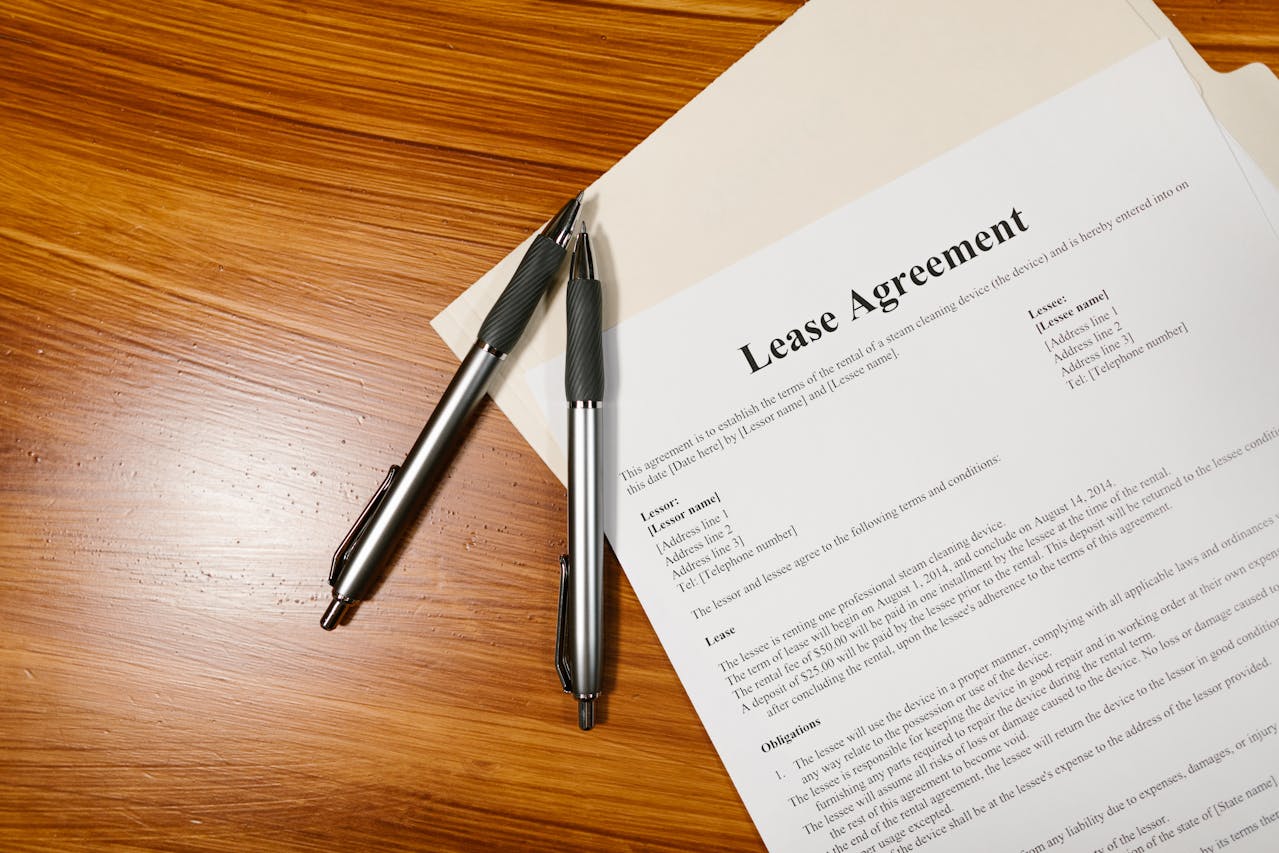
Rent-to-own contracts come in two distinct forms, and understanding the difference between them is critical before signing anything. Both lease-purchase and lease-option agreements offer a path to homeownership, but they carry different levels of commitment, risk, and flexibility. Choosing the right one depends on your financial readiness, long-term plans, and tolerance for uncertainty.
What Is a Lease-Purchase Agreement
A lease-purchase agreement is a binding contract. When you sign it, you agree to rent the property for a set period and then purchase it at the end of the lease. The purchase is not optional. It is a requirement built into the contract.
Lease-purchase agreement is best suited for buyers who are confident in their ability to secure financing within the lease period. It works well for those who have stable income, a clear savings plan, and a timeline for improving their credit score if needed. The purchase price is usually locked in at the beginning, and the buyer pays an option fee upfront to secure the deal.
Monthly rent payments may include credits that apply toward the final purchase. These credits are defined in the contract and must be tracked carefully. Missing payments or violating lease terms can result in losing those credits or even forfeiting the option to buy.
What Is a Lease-Option Agreement
A lease-option agreement gives the renter the right to buy the property at the end of the lease, but it does not require them to do so. The renter pays an option fee to secure that right, but they can walk away if circumstances change or if they decide the home is not the right fit.
Lease-option agreement offers more flexibility. It is ideal for buyers who are still exploring their options, testing a new location, or unsure about their long-term plans. It allows them to live in the home while preparing for ownership, but without the pressure of a mandatory purchase.
Like lease-purchase agreements, lease-option contracts may include rent credits. These credits can be applied to the purchase if the buyer chooses to move forward. However, if they decide not to buy, the option fee and any credits are usually non-refundable.
Key Differences That Affect Your Decision
The main difference between the two models is the level of commitment. Lease-purchase is a promise to buy. Lease-option is a possibility. That difference affects how you plan your finances, how you approach the lease period, and how you prepare for ownership.
Lease-purchase agreements require more discipline. You need to be ready to apply for a mortgage, meet lender requirements, and close the deal when the lease ends. If you are not ready, you risk losing your investment and facing legal consequences.
Lease-option agreements offer breathing room. You can use the lease period to evaluate the property, improve your financial profile, and decide whether ownership makes sense. If you change your mind, you can exit the deal without being forced to buy.
Who Should Choose Lease-Purchase
This model fits buyers who:
- Have a clear plan to qualify for financing within the lease period
- Are committed to the property and location
- Want to lock in a purchase price and avoid market fluctuations
- Are comfortable with the legal obligation to buy
Lease-purchase is not for buyers who are uncertain, relocating temporarily, or still comparing options. It demands readiness and follow-through.
Who Should Choose Lease-Option
This model fits buyers who:
- Need flexibility while preparing for ownership
- Are testing a neighborhood or school district
- Want to secure a future purchase without immediate pressure
- May need more time to improve credit or save for a down payment
Lease-option is a safer choice for buyers who are still in transition. It offers the benefits of rent-to-own without the risk of being locked into a purchase they may not be ready for.
How to Decide Between the Two
Start by evaluating your financial readiness. Do you have a timeline for mortgage approval? Are you confident in your ability to meet lender requirements? If yes, lease-purchase may be the right fit.
Next, assess your commitment to the property. Is this the home you want to own? Are you sure about the location, the layout, and the long-term value? If you are still unsure, lease-option gives you time to decide.
Finally, consider your behavioral triggers. Are you motivated by structure and deadlines, or do you need flexibility and room to adjust? Your personality and planning style matter just as much as your finances.
Where Rent-to-Own Fits In
Both lease-purchase and lease-option are part of the broader rent-to-own model. They offer alternatives to traditional buying and renting, but they are not interchangeable. If you are comparing rent-to-own vs renting, the key difference is ownership intent. Renting is temporary. Rent-to-own is transitional. The structure you choose within rent-to-own defines how that transition unfolds.
Choosing between lease-purchase and lease-option is about knowing your goals, your readiness, and your ability to follow through. When matched correctly, either model can support your path to ownership. But the wrong fit can lead to stress, loss, or missed opportunities. Make the choice that aligns with your timeline, your mindset, and your future plans.

Leave a Reply