
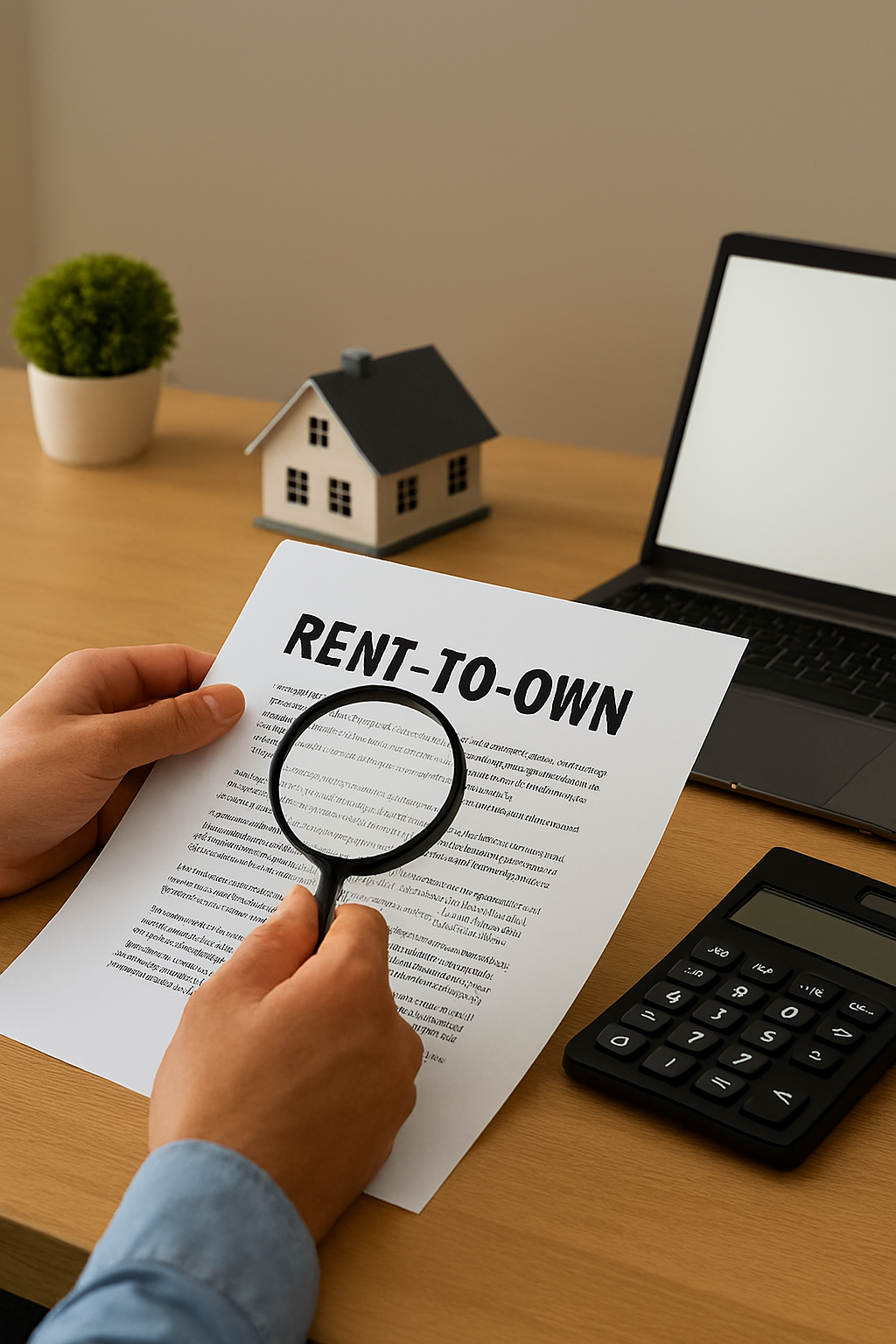
Rent-to-own agreements are often seen as a bridge between renting and full homeownership. They allow tenants to live in a property while working toward eventual purchase. For families who struggle to qualify for a mortgage, this arrangement can feel like a lifeline. Yet the structure comes with strict rules, and missing a payment can have serious consequences. Understanding what happens if you fall behind is essential before entering into this type of contract.
The Nature of Rent-to-Own Payments
Rent-to-own contracts combine two obligations: rent and the option to buy. Monthly payments are usually higher than standard rent because they may include credits applied toward the purchase price. Tenants often pay an upfront option fee as well, which secures the right to buy later.
Because of these added costs, payments carry more weight than in a traditional lease. Missing one can affect both your rental status and your path to ownership.
Immediate Consequences of a Missed Payment
The first impact of a missed payment is late fees. Most contracts include penalties for late or missed payments. These fees add to the financial burden and make catching up harder.
In some agreements, missing a payment may void the purchase option entirely. That means the tenant loses the right to buy the property, along with any credits already accumulated. This outcome depends on the contract terms, but it is a risk that cannot be ignored.
Risk of Eviction
Rent-to-own tenants are often treated like renters until they exercise the purchase option. This means landlords can pursue eviction if payments are missed. Eviction laws vary by state, but the process can move quickly.
Tenants who assume they have ownership rights may be surprised to learn they are still subject to rental rules. Missing payments can lead to losing both the home and the money invested in option fees.
Loss of Rent Credits
One of the main attractions of rent-to-own agreements is the ability to build credits toward the purchase price. These credits function like forced savings. Yet they are usually conditional on timely payments.
Missing even one payment may erase months of credits. Tenants who fall behind risk losing the progress they have made toward ownership.
Impact on Financing Readiness
Rent-to-own agreements are designed to give tenants time to prepare for financing. Improving credit scores, reducing debt, and saving for closing costs are all part of the process. Missing payments undermines this preparation.
Late or missed payments can damage credit scores, making mortgage approval harder. Lenders look closely at payment history, and even small lapses can raise concerns.
Contract Variations
Not all rent-to-own agreements handle missed payments the same way. Some contracts allow a short grace period, while others impose immediate penalties. A few may offer limited flexibility if the tenant communicates with the seller.
The key is to understand the specific terms before signing. Tenants should know exactly how missed payments are treated and what rights they may lose.
Preventing Missed Payments
Avoiding missed payments requires planning and discipline. Tenants should:
- Budget carefully: Ensure monthly payments fit comfortably within income.
- Set up automatic payments: Reduce the risk of forgetting due dates.
- Build an emergency fund: Provide a cushion against unexpected expenses.
- Communicate with the seller: If financial trouble arises, discuss options before missing a payment.
These steps help maintain stability and protect the path to ownership.
Legal Protections and Regional Differences
Housing laws vary by state and city. Some regions provide stronger tenant protections, while others favor landlords. Understanding local regulations is critical.
In certain areas, contracts must meet specific standards to be enforceable. Buyers and sellers who ignore these rules risk disputes or penalties. Some agreements attempt to balance differences by adopting global-neutral rent-to-own contracts, designed to align with broader compliance standards. While these may reduce risk, tenants should still consult local professionals to confirm validity.
What to Do If You Miss a Payment
If you miss a payment, act quickly. Contact the seller or landlord immediately to explain the situation. Offer a plan to catch up, and request written confirmation of any agreement.
Check the contract for grace periods or penalty clauses. Knowing your rights helps guide the conversation. If eviction is threatened, seek legal advice to understand options.
Document all communications and keep receipts for payments. Organized records protect your position if disputes arise.
Long-Term Implications
Missing payments can derail the path to ownership. Tenants may lose option fees, rent credits, and even the home itself. Credit damage can linger, making future financing harder.
Yet recovery is possible. With careful planning, improved budgeting, and professional guidance, tenants can rebuild stability. The key is to treat rent-to-own agreements with the seriousness of a mortgage. Payments must be consistent, and preparation must be ongoing.
Rent-to-own agreements offer opportunity, but they demand discipline. Missing a payment can trigger late fees, loss of credits, eviction, and damaged credit. Contracts vary, but the risks are real. Tenants who plan carefully, communicate openly, and understand local laws can reduce these risks. With preparation and vigilance, rent-to-own can remain a viable path to homeownership, even when challenges arise.


Leave a Reply