
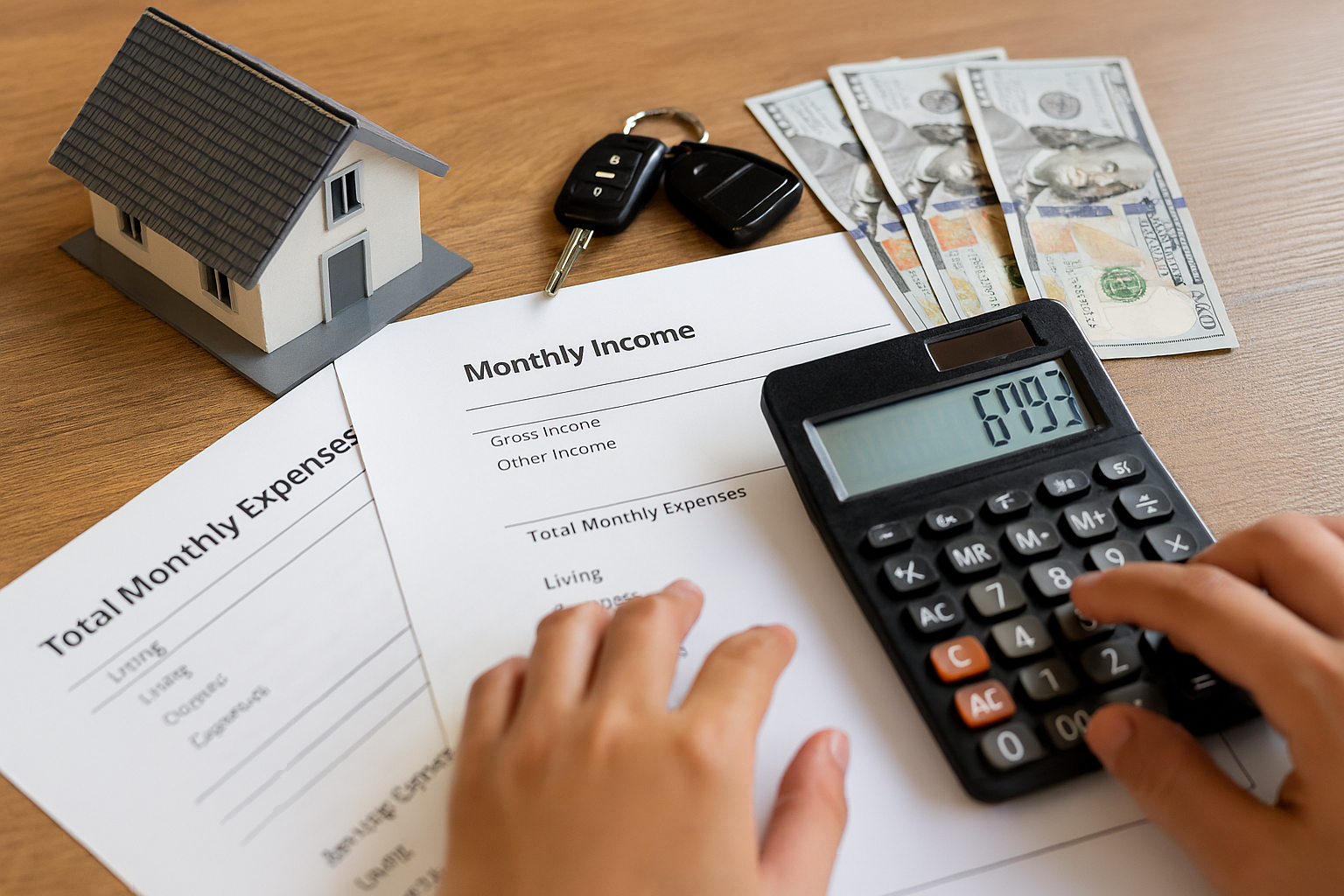
Owning a home or business property is a major milestone. It signals stability, long-term planning, and often a sense of pride. Yet before signing papers or committing to payments, it is wise to step back and ask: am I financially ready for ownership? This question may sound simple, but the answer requires careful thought across several areas.
Assess Your Current Income and Stability
Start with your income. Ownership is not just about affording the purchase price; it is about sustaining payments over time. A steady paycheck or reliable business revenue gives confidence that you can handle monthly obligations. If your income fluctuates, you may need a larger safety cushion.
Think about job security as well. A high salary means little if the position is unstable. Consider whether your career path or business model is likely to remain strong for the next five to ten years.
Review Savings and Emergency Funds
Savings matter as much as income. Down payments, closing costs, and unexpected repairs all require cash. A healthy savings account shows readiness. Many financial advisors suggest keeping at least three to six months of living expenses in an emergency fund.
Ask yourself: if the roof leaks or the furnace breaks, do you have funds set aside? Ownership brings responsibility, and savings provide the buffer that keeps stress manageable.
Examine Debt Levels
Debt can weigh heavily on financial readiness. Credit card balances, student loans, or car payments all reduce the money available for ownership costs. Lenders look closely at debt-to-income ratios, and high debt may limit your options.
Paying down balances before taking on new obligations is often the smarter move. Lower debt improves credit scores and increases the likelihood of favorable loan terms.
Understand Total Ownership Costs
Ownership costs extend beyond the purchase price. Property taxes, insurance, maintenance, and utilities add up quickly. Many first-time buyers underestimate these expenses.
Make a list of recurring costs. Compare them to your current budget. If ownership stretches your finances too thin, you risk becoming “house poor,” where most of your income goes to the property and little remains for other needs.
Consider Long-Term Goals
Ownership should align with your broader life plans. Do you expect to stay in the same city for several years? Are you planning a family or expanding a business? Buying property makes sense when it supports these goals.
If your future feels uncertain, renting may provide flexibility. Ownership locks you into a location and financial commitment that may not fit changing circumstances.
Evaluate Financing Options
Loans make ownership possible for many people, but not all loans are equal. Interest rates, terms, and fees vary widely. A fixed-rate mortgage offers stability, while adjustable-rate loans may start lower but carry risk if rates rise.
Explore different lenders. Compare offers carefully. Even a small difference in interest rates can save thousands over the life of a loan.
Factor in Legal Considerations
Ownership involves contracts, titles, and obligations. It is important to understand the legal side before committing. For example, some buyers explore rent-to-own arrangements as a path to ownership. While these agreements may seem appealing, there are legal risks in rent-to-own agreements that can expose buyers to unfair terms or unexpected liabilities. Consulting a qualified attorney helps protect your interests and ensures you know exactly what you are signing.
Test Your Readiness with a Trial Budget
One practical step is to simulate ownership costs before buying. Create a trial budget that includes mortgage payments, taxes, insurance, and maintenance. Live with this budget for several months.
If you can manage comfortably, you gain confidence in your readiness. If the budget feels tight, you may need to adjust expectations or wait until your finances improve.
Seek Professional Guidance
Financial advisors, mortgage brokers, and real estate agents can provide valuable insight. They see common mistakes and know what lenders expect. A short consultation may reveal gaps you overlooked.
Professional guidance does not replace personal responsibility, but it adds perspective. Ownership is complex, and expert advice can prevent costly errors.
Balance Emotion with Logic
Buying property often carries emotional weight. The dream of a home or the pride of business ownership can push people to act quickly. Yet emotion should not override logic.
Step back and review the numbers. Ask trusted friends or family for honest feedback. Sometimes an outside perspective highlights risks you may ignore in the excitement.
Build a Timeline
Financial readiness is not always immediate. You may need months or years to reach the right point. Setting a timeline helps keep progress steady.
Plan milestones: paying off debt, saving for a down payment, or improving credit scores. Each step moves you closer to ownership without rushing into unprepared commitments.
Evaluating financial readiness for ownership is about more than checking a single box. It requires looking at income, savings, debt, costs, goals, and legal factors together. When these pieces align, ownership becomes not just possible but sustainable. Taking time to prepare now reduces stress later and ensures that when you finally sign the papers, you do so with confidence.


Leave a Reply