
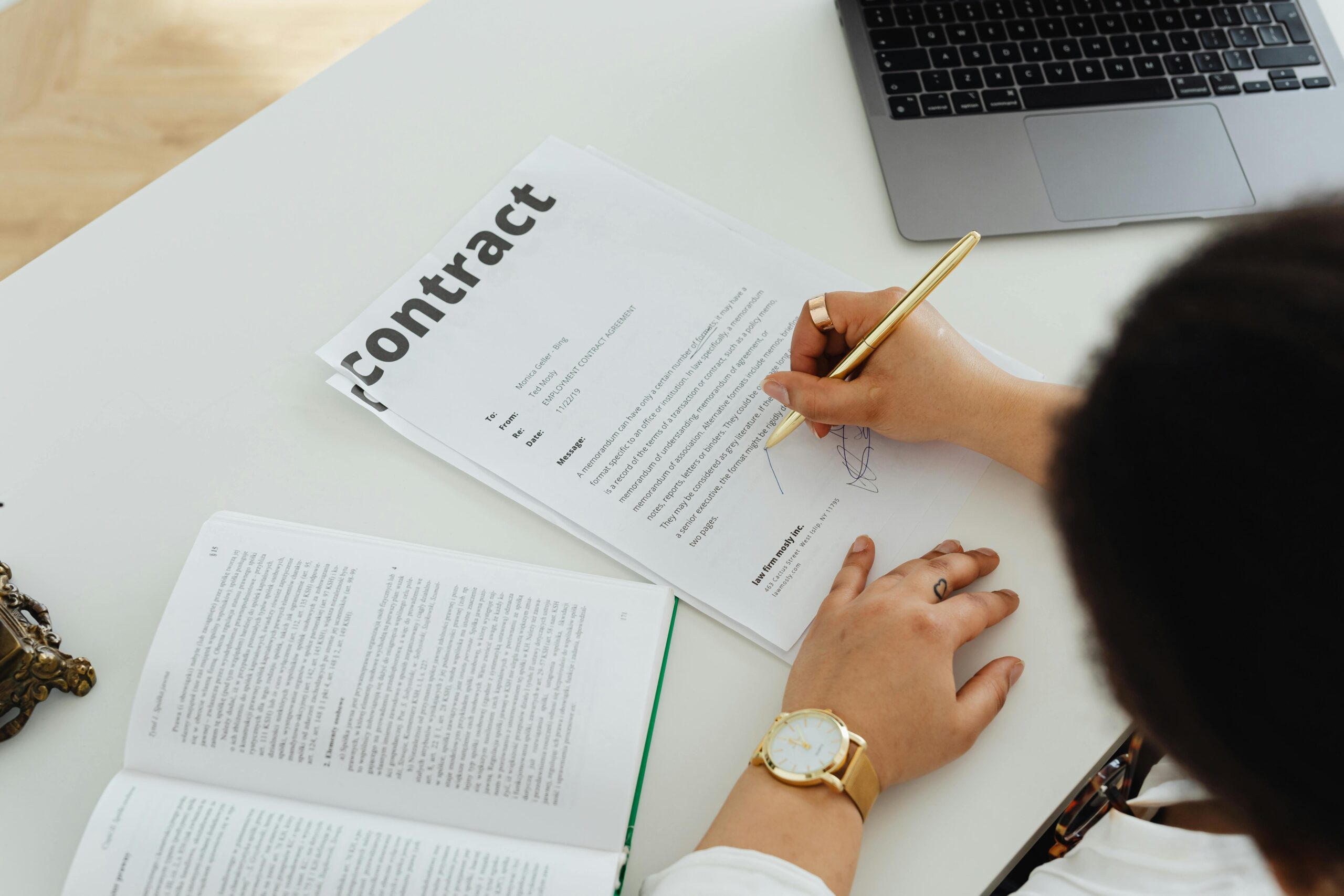
Rent-to-own agreements can be a practical path toward homeownership for families who are not yet ready to qualify for a traditional mortgage. These contracts combine renting with the option to buy, offering flexibility and opportunity. Yet the benefits only hold if the agreement is fair, transparent, and legally binding. Before signing, buyers should carefully review every detail. A checklist helps organize the process and ensures nothing important is overlooked.
Verify Seller Ownership
The first item on the checklist is confirming that the seller has legal authority to offer the property. Fraudulent listings are more common than many realize. Some individuals advertise homes they do not own, collect option fees, and disappear.
Check public records to confirm ownership. County or city offices maintain property records that list the legal owner. Compare the seller’s name with these records. If they do not match, that is a red flag.
Ownership verification also reveals liens, unpaid taxes, or pending legal disputes. These issues can complicate future ownership. Buyers should avoid properties with unresolved claims unless the seller agrees to clear them before sale.
Review Payment Terms
Payments are central to rent-to-own agreements. Contracts must specify:
- Rent amount and due dates.
- Portion of rent applied as credit.
- Option fee amount and treatment.
- Penalties for late or missed payments.
Ambiguity in payment terms can lead to disputes. Clear language ensures both parties understand obligations and rights.
Confirm Rent Credits
Rent credits are one of the main attractions of rent-to-own deals. They function like forced savings, reducing the eventual purchase price. Yet credits are only valuable if they are documented properly.
Request written receipts or monthly statements that confirm credits. Organized documentation protects your investment and strengthens your position when exercising the purchase option.
Inspect the Property
Property condition is a critical factor in rent-to-own deals. Tenants often take on repair responsibilities during the lease period. Without a clear understanding of the property’s condition, you may face unexpected costs.
Request a professional inspection before signing. Inspectors can identify structural issues, safety hazards, and repair needs. Take photos of the property’s condition at move-in and keep the inspection report for your records.
This step is especially important when contracts assign handling rent-to-own repairs to the tenant. Knowing what you are responsible for helps you budget and prevents disputes later.
Clarify Maintenance Responsibilities
Rent-to-own agreements often shift maintenance duties to the tenant. Yet local laws may limit how much responsibility can be transferred. Contracts should outline:
- Routine upkeep obligations.
- Responsibility for major repairs.
- Standards for property condition at purchase.
This balance prevents tenants from being burdened with excessive costs while still preparing for ownership.
Address Purchase Price and Timeline
Contracts must define how the purchase price is determined. Some agreements lock in the price at the start, while others tie it to market value at the time of sale. Both approaches are valid, but disclosure is essential.
The timeline for exercising the purchase option must also be specified. Buyers should know exactly when they can buy and how long the option remains valid.
Check Compliance with Local Laws
Even with clear terms, contracts must comply with local regulations. Housing laws vary by state and city. Some regions require specific disclosures, while others limit how option fees are handled.
Consulting with a local attorney ensures the agreement meets regional standards. Compliance protects both tenants and sellers from future legal challenges.
Seek Professional Review
Attorneys and real estate professionals provide valuable protection. A lawyer can review the contract to ensure fairness and legality. Real estate agents can confirm market value and property condition.
Professional guidance adds cost, but it prevents far greater losses. Fraudulent contracts or hidden obligations can drain savings and block the path to ownership.
Keep Thorough Records
Documentation does not end with the contract. Buyers should save receipts, bank statements, and communication records. Organized documentation provides evidence if disputes arise and strengthens the enforceability of the agreement.
Property inspections, legal reviews, and financial consultations should also be documented. These records confirm that buyers acted responsibly and sought expert guidance.
Buyer Checklist Before Signing
Rent-to-own agreements can provide opportunity, but only when they are fair, transparent, and legally binding. Buyers should verify ownership, review payment terms, confirm rent credits, inspect the property, clarify responsibilities, address purchase price and timeline, check compliance with local laws, seek professional review, and keep thorough records.
By approaching rent-to-own agreements with caution and preparation, buyers reduce risks and strengthen their path to homeownership. The right checklist protects your investment and builds confidence in the journey ahead.

Leave a Reply